We use cookies (and equivalent technologies) to collect and analyse information on site's performance and to enable the site to function. Some cookies allow third parties to tailor the ads you see when you visit our site and other third party websites. By clicking 'Agree', you agree to these uses of cookies.
Manage Cookie Preferences
How do you make something golfers already trust even better?
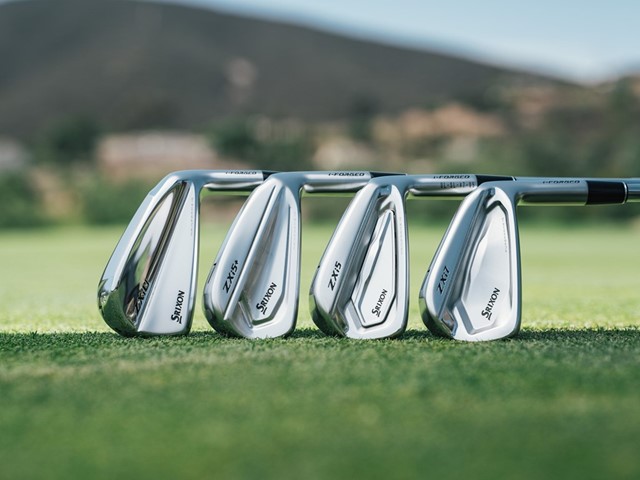
For Srixon's second-generation ZXi Irons, the answer wasn't a complete redesign. Instead, it was a commitment to refining the details that matter most through extensive testing, player feedback, and continuous innovation.
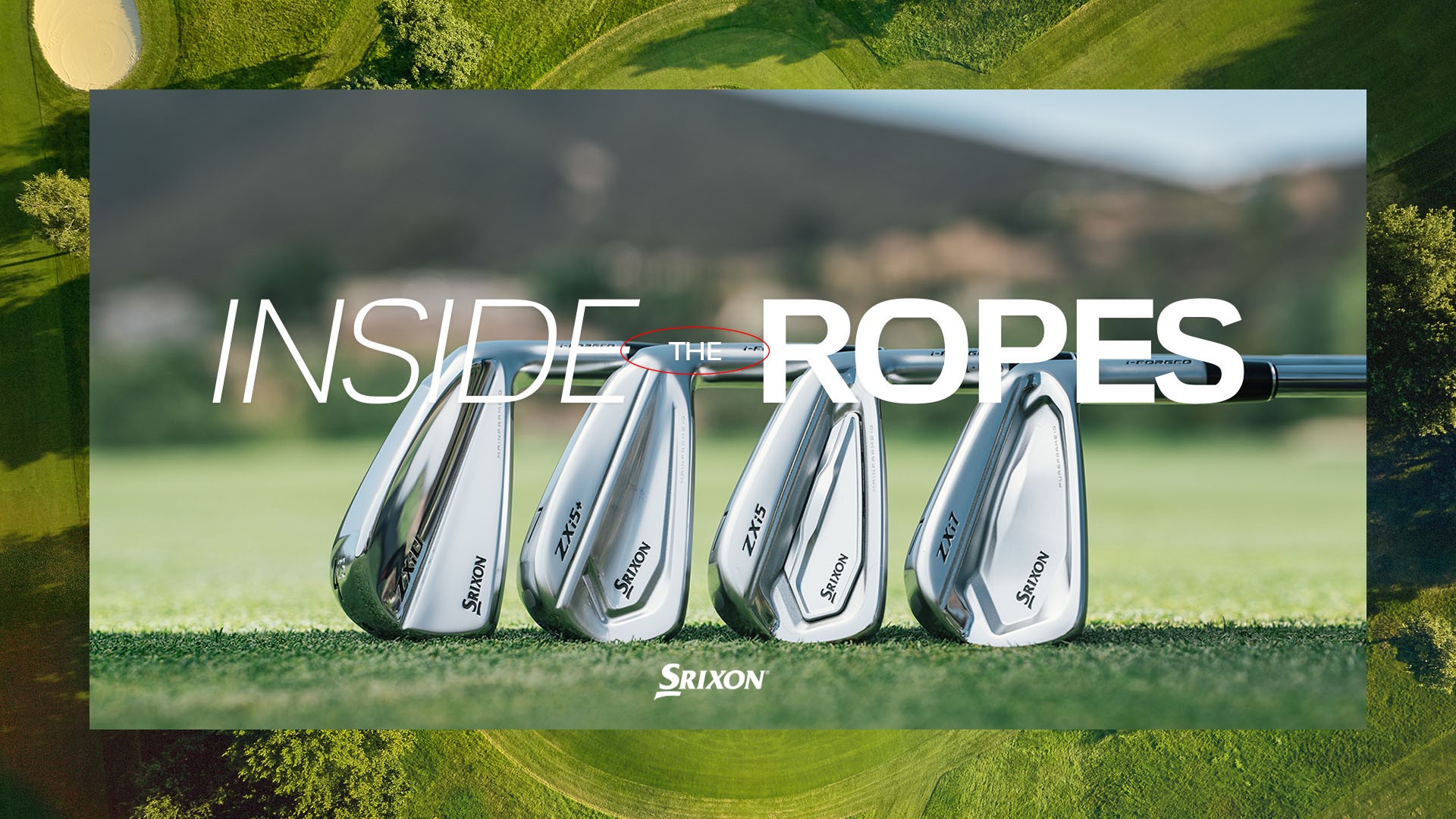
For this month's Inside the Ropes, we take a closer look at how Srixon continues to evolve its irons while preserving the performance characteristics players have come to trust. From key design refinements and advancements in manufacturing to the introduction of the new ZXi5+ Players Distance Iron, we'll explore what a "second generation" product truly means and how continuous improvement continues to drive innovation across the lineup.
Joining us is Dustin Brekke, Srixon's Director of R&D, who shares insights into the brand's pursuit of exceptional feel, the development of its latest forging advancements, and the player-driven approach that remains at the core of the ZXi family.
WHAT'S BEEN REFINED IN THE NEW ZXi IRON LINEUP
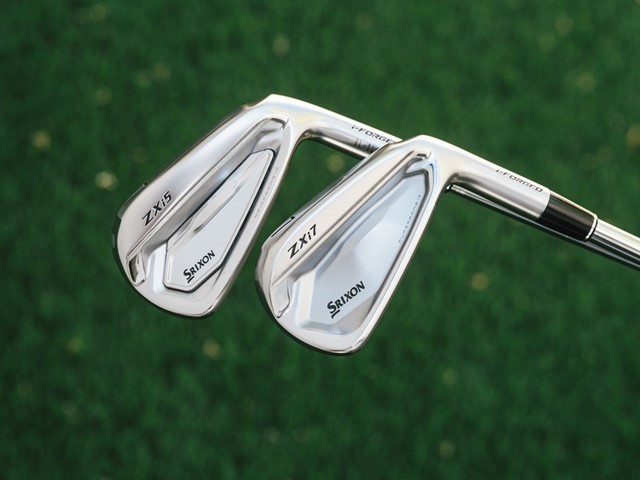
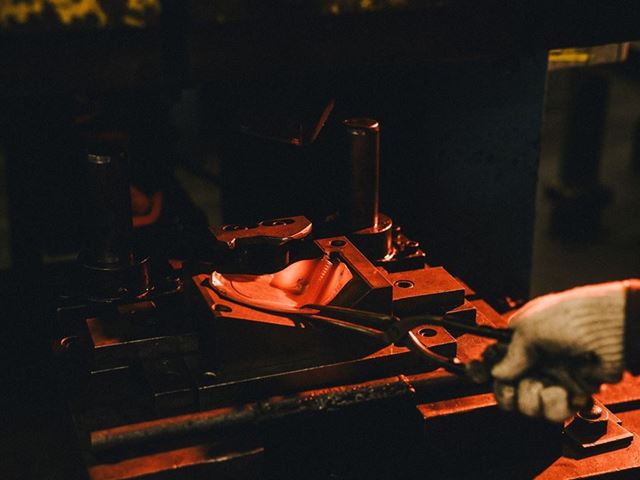
At first glance, the new ZXi Irons may look familiar, but beneath the surface are several meaningful advancements designed to improve performance, consistency, and feel. One of the biggest advancements comes from the evolution of Srixon's i-FORGED platform. By refining its proprietary forging and heat-treatment processes, the engineering team was able to strengthen key areas of the clubhead while maintaining the soft feel golfers expect from a forged iron. The result is increased durability where it's needed most without sacrificing the feedback that has become synonymous with Srixon Irons.
The lineup also incorporates refinements to shaping, weighting, and construction. Slightly thinner toplines, cleaner visual transitions, optimized sole geometries, and improved weight distribution throughout the set contribute to a more refined player experience.
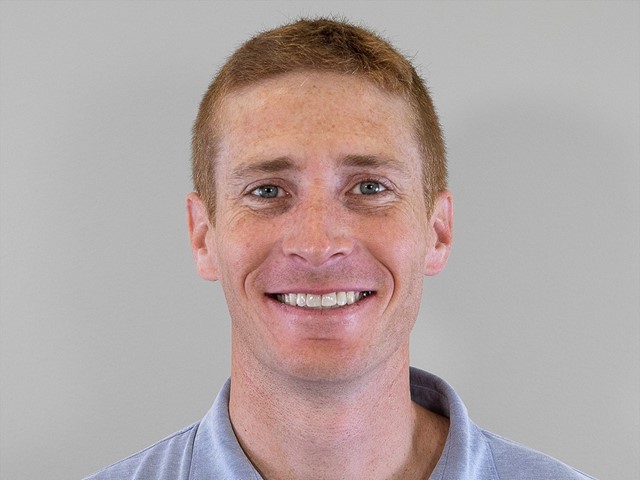
Dustin Brekke - Srixon Director of R&D
Q: When moving into a second-generation product, how do you decide what to change and what not to change?
DB: We don't want to mess up something that's already working, but we're always looking for ways to improve. We're constantly gathering feedback from Tour players and conducting research, and honestly, that research never really ends it just leads to more questions and new opportunities. Each generation tends to focus on areas where we've made meaningful progress and see the greatest potential for improvement. At the same time, we're very mindful of what makes Srixon irons successful and make sure we're innovating in ways that build on those strengths.
Q: How did the evolution of the i-FORGED process help Srixon further improve feel, consistency, and durability in the new ZXi irons?
DB: A new technology is really just the starting point. The first generation is about proving the concept, figuring out how to manufacture it consistently, and understanding how to measure its benefits. Once you've done that, you start uncovering new ways to optimize it. Technologies like PureFrame evolved because we learned how to improve things like MOI and transitions throughout the set. The same goes for materials and manufacturing processes. That's why many of our technologies continue to evolve for several generations after they're introduced.
HOW SRIXON USED TOUR FEEDBACK AND CONSUMER DATA TO IMPROVE ZXi IRON LINEUP
The development of the second-generation ZXi Irons began long before engineers started designing new heads. Srixon's product team first evaluated feedback from Tour players, fitters, and consumers to identify opportunities for improvement while maintaining the characteristics that made the original lineup so successful.
The challenge was finding the right balance. Tour players often focus on precision, workability, shaping, and turf interaction, while everyday golfers prioritize feel, consistency, and confidence at address. The goal wasn't to choose one over the other, but to build an iron lineup that delivers on both. That feedback ultimately influenced the final product. Rather than pursuing change simply for the sake of change, the development team focused on enhancing the areas golfers value most while preserving the qualities that have made Srixon Irons a trusted choice on Tour and among dedicated players worldwide.
Q: How does Srixon gather and evaluate feedback from both Tour players and everyday golfers during the iron development process?
DB: Our Tour staff is supported every week around the world, whether that's building new sets, checking lofts and lies, testing prototypes, or evaluating new products. All of that feedback makes its way back to the product team. At the same time, we're testing with golfers of all skill levels every week, collecting launch monitor data and subjective feedback. Those insights become important inputs that help guide future development.
Q: What role does fitting data play in product development, and how does it help shape decisions made by the product and R&D teams?
DB: Fitting has probably shaped equipment development more than anything over the last decade. Drivers are now built around different spin profiles, and irons are offered across a wide range of distance and forgiveness categories. The days of one-size-fits-all equipment are gone. From an R&D standpoint, fitting data helps define our performance targets. Things like CG location, sole width, loft structure, and head size are all influenced by how we can help golfers optimize performance for their individual needs.
WHAT "SECOND GENERATION" ACTUALLY MEANS IN PERFORMANCE TERMS
When a product performs well from the start, the next generation isn't about reinventing it. It's about identifying the small opportunities that can make a meaningful difference for golfers.
The original ZXi lineup established a strong foundation, giving the product and engineering teams a clear understanding of what golfers loved and where there was room to improve. Rather than starting from scratch, the focus shifted to refining the details, whether that meant enhancing feel, improving consistency, optimizing performance throughout the set, or finding new ways to help golfers get more out of every shot.
That's where a lot of the development process becomes a balancing act. Every potential improvement is evaluated against the characteristics players already trust. If a change improves performance but negatively impacts feel, sound, or confidence at address, it likely doesn't make the cut.
Q: With the original ZXi Irons receiving such positive feedback, how challenging is it to identify meaningful improvements while preserving the characteristics players already love?
DB: It reminds me of a championship team. You celebrate the success for a moment, but then it's time to get back to work because everyone else is trying to catch you. We want to keep the things that players love; premium looks, sound, feel, confidence at address but we're always exploring ways to make those technologies even better. For example, MainFrame continues to evolve because we're developing new analysis methods and finding new opportunities for improvement. But throughout that process, there are certain things, like sound and feel, that we simply can't afford to take backward.
Q: Can you explain how weight is distributed throughout the ZXi Irons and why those changes matter for golfers on the course?
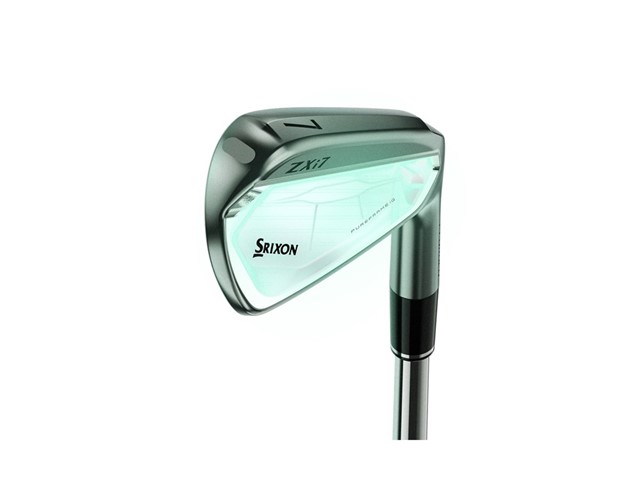
DB: Across the ZXi lineup, maintaining a low center of gravity is important for launch, height, and distance. But it's not as simple as just putting all the weight low in the head. We look at every gram and evaluate how it affects CG location, MOI, and overall performance. Sometimes moving weight into the toe, balanced by mass elsewhere, can improve consistency on strikes higher or lower on the face. It's all about finding the right balance for each model and each iron within the set. With PureFrame iQ in ZXi7, for example, we focused on increasing stability in the longer irons while keeping the shorter irons geared toward precision and control.
EARLY SUCCESS OF THE NEW ZXi5+ IRON AND ITS IMPACT
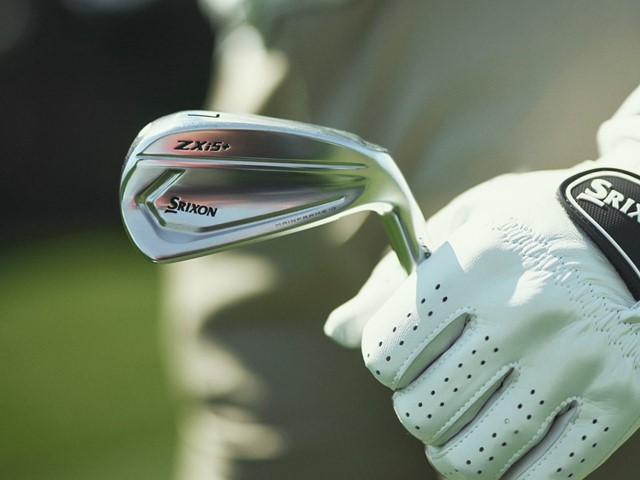
Among the additions to the second-generation ZXi family, the introduction of the ZXi5+ Iron may be one of the most significant from a product development perspective. For years, Srixon has built a reputation around providing golfers with distinct performance options while maintaining the look, feel, and craftsmanship expected from a forged iron. The ZXi5+ represents the next step in that evolution, creating a new bridge between traditional players irons and more forgiving distance-focused designs.
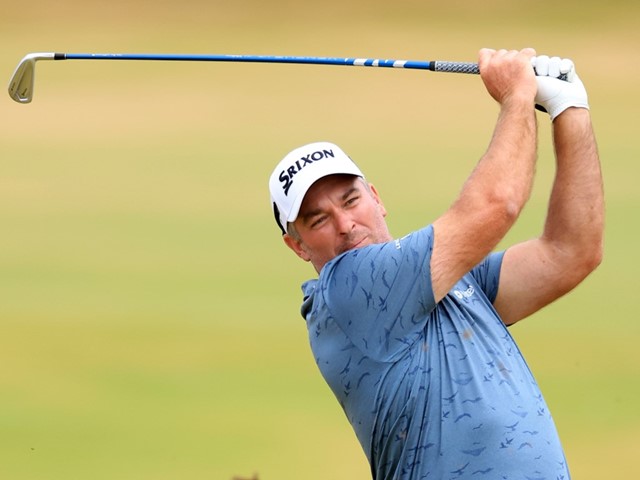
Its early success on Tour, including Ryan Fox putting the iron in play during his Open Championship victory, has reinforced what the team believed throughout development: there is a growing number of golfers looking for additional speed and forgiveness without sacrificing the confidence and workability associated with a players iron. Beyond the immediate performance benefits, the ZXi5+ opens new possibilities for fitting and future product development. It gives fitters greater flexibility when building combo sets and helps Srixon serve a broader range of golfers while remaining true to the brand's forged heritage.
Q: We've already seen the ZXi5+ gain traction on Tour. How important is that early validation during a product launch?
DB: By the time a product reaches Tour launch, we've already done a tremendous amount of testing and validation, so we feel confident in what we've built. But seeing players adopt it early and have success with it certainly reinforces that we're making the right decisions. It's always encouraging when the performance we're seeing in testing translates directly onto the course.
Q: For golfers comparing the two models, what are the biggest differences between ZXi5 and ZXi5+?
DB: The biggest differences are loft and forgiveness. ZXi5+ features stronger lofts and is designed to produce more distance while adding a bit more forgiveness, particularly through the turf. It's aimed at golfers who want extra speed and help without moving too far away from the compact shape and feel that define the ZXi family.
Q: Where do you see the ZXi5+ fitting into today's iron landscape, and how does it give fitters another tool to optimize performance for golfers?
DB: Even before you get into fitting performance, ZXi5+ has a shape and profile that a lot of golfers are going to like. It's a compact forged hollow-body iron that looks clean behind the ball but delivers additional distance and forgiveness. From a fitting standpoint, it fills another gap in the lineup and gives fitters one more option to fine-tune launch, forgiveness, and distance while keeping the feel and sound golfers expect from a Srixon iron.
After speaking with Dustin, one theme became clear: innovation doesn't always mean starting over. In many cases, it's about listening, learning, and making thoughtful improvements that help golfers perform at a higher level. The second-generation ZXi Irons reflect that philosophy, building on a successful foundation while continuing to push performance forward through better materials, smarter design, and a relentless focus on the player.
MEET DUSTIN BREKKE
For more than 16 years, Dustin has been part of Dunlop's R&D team, starting as a Performance Research Engineer and progressing through Engineering Manager and Director roles to his current position as Director of R&D. He’s been playing golf for nearly 30 years and despite never quite breaking into a single-digit handicap, his passion for the game has helped shape his career and his approach to developing golf equipment.
Before we ended our conversation, we asked Dustin our Quick 6 questions:
1. Favorite golf course you've ever played?
Coeur d’Alene resort golf course with the floating green you have to boat to.
2. Favorite Srixon iron you’ve helped design?
ZXi5, ZXi5+ and ZXiR. I’m very proud of what we’ve developed with MainFrame over the years while holding true to Srixon’s core strengths.
3. One club you can't live without?
Putter, just a literal answer.
4. Favorite place you’ve ever traveled to?
Sand Hard, Lake Tahoe
5. One hobby people would be surprised to learn you have?
It’s been a decade now, but I was quite good at Guitar Hero.